
Our Belief
1
Holy Scriptures
The Holy Scriptures, Old and New Testaments, are the written Word of God, given by divine inspiration through holy men of God who spoke and wrote as they were moved by the Holy Spirit. In this Word, God has committed to man the knowledge necessary for salvation. The Holy Scriptures are the infallible revelation of His will. They are the standard of character, the test of experience, the authoritative revealer of doctrines, and the trustworthy record of God’s acts in history.
(Ps. 118:105; Prov. 30:5, 6; Isa. 8:20; John 17:17; 2 Pet. 1:20, 21; 1 Thess. 2:13; 2 Tim. 3:16, 17; Heb. 4:12).
2
The Trinity
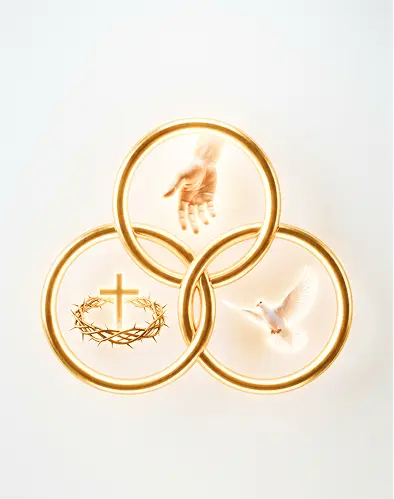
There is one God: Father, Son, and Holy Spirit, a unity of three co-eternal Persons. God is immortal, all-powerful, all-knowing, above all, and ever present. He is infinite and beyond human comprehension, yet known through His self-revelation. God, who is love, is forever worthy of worship, adoration, and service by the whole creation.
(Gen. 1:26; Deut. 6:4; Isa. 6:8; Matt. 28:19; John 3:16; 1 Pet. 1:2; 2 Cor. 1:21, 22; 13:14; Eph. 4:4-6).
3
The Father
God the eternal Father is the Creator, Source, Sustainer, and Sovereign of all creation. He is just and holy, merciful and gracious, slow to anger, and abounding in steadfast love and faithfulness. The qualities and powers exhibited in the Son and the Holy Spirit are also revelations of the Father.
(Gen. 1:1; Deut. 4:35; Ps. 109:1, 4; John 3:16; 14:9; 1 John 4:8; 1 Cor. 15:28; 1 Tim. 1:17; Rev. 4:11).
4
The Son
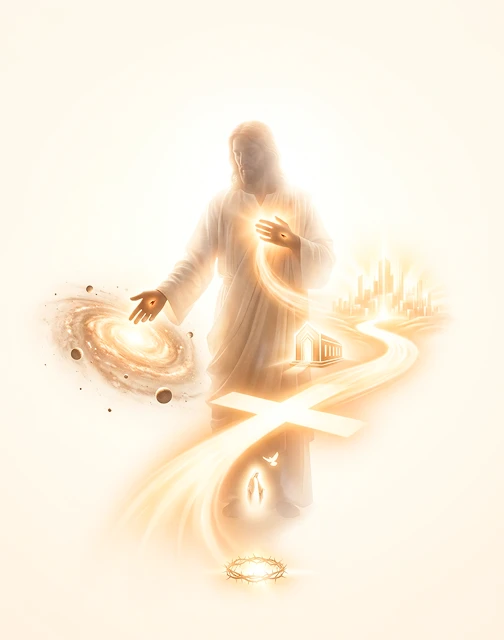
God the eternal Son became incarnate in Jesus Christ. Through Him all things were created, the character of God is revealed, the salvation of humanity is accomplished, and the world is judged.Forever truly God, He became also truly man, Jesus the Christ. He was conceived of the Holy Spirit and born of the virgin Mary. He lived and experienced temptation as a human being, but perfectly exemplified the righteousness and love of God. By His miracles He manifested God’s power and was attested as God’s promised Messiah. He suffered and died voluntarily on the cross for our sins and in our place, was raised from the dead, and ascended to minister in the heavenly sanctuary in our behalf. He will come again in glory for the final deliverance of His people and the restoration of all things.
(Isa. 53:4-6; Dan. 9:25-27; Luke 1:35; John 1:1-3, 14; 5:22; 10:30; 14:1-3, 9, 13; Rom. 6:23; 1 Cor. 15:3, 4; 2 Cor. 3:18; 5:17-19; Phil. 2:5-11; Col. 1:15-19; Heb. 2:9-18; 8:1, 2).
5
The Holy Spirit
God the eternal Spirit was active with the Father and the Son in Creation, incarnation, and redemption. He inspired the writers of Scripture. He filled Christ’s life with power. He draws and convicts human beings; and those who respond He renews and transforms into the image of God. Sent by the Father and the Son to be always with His children, He extends spiritual gifts to the church, empowers it to bear witness to Christ, and in harmony with the Scriptures leads it into all truth.
(Gen. 1:1, 2; 2 Kings 23:2; Ps. 50:11; Isa. 61:1; Luke 1:35; 4:18; John 14:16-18, 26; 15:26; 16:7-13; Acts 1:8; 5:3; 10:38; 2 Peter 1:21; Rom. 5:5; 1 Cor. 12:7-11; 2 Cor. 3:18).
6
Creation
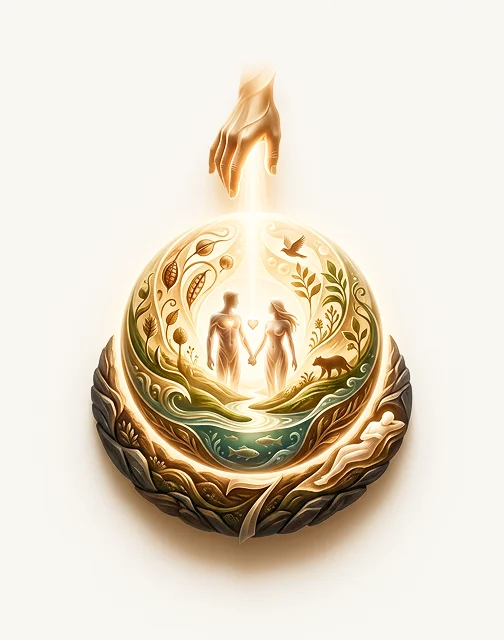
God is Creator of all things, and has revealed in Scripture the authentic account of His creative activity. In six days the Lord made “the heaven and the earth” and all living things upon the earth, and rested on the seventh day of that first week. Thus He established the Sabbath as a perpetual memorial of His completed creative work.The first man and woman were made in the image of God as the crowning work of Creation, given dominion over the world, and charged with responsibility to care for it. When the world was finished it was “very good,” declaring the glory of God.
(Gen. 1-2; 5; 11; Ex. 20:8-11; Ps. 18:1-6; 32:6, 9; 103; Isa. 45:12, 18; Acts 17:24; Col. 1:16; Heb. 1:2; 11:3; Rev. 10:6; 14:7).
7
The Nature of Humanity
Man and woman were created in the image of God, endowed with individuality, power, and freedom to think and act. Each of them represented an indivisible unity of body, soul, and spirit. Although created free, humans were dependent on God for life, breath, and everything else. When our first parents disobeyed God, they rejected their dependence on Him and fell, losing their high status. The image of God in them was distorted, and they became subject to death. Their descendants inherit a sinful nature and its consequences. They are born with weaknesses and inclinations toward evil. But God in Christ reconciles the world to Himself and, by His Spirit, restores the image of the Creator in repentant mortals. Created for the glory of God, they are called to love Him and one another and to care for the environment.
(Gen. 1:26-28; 2:7, 15; 3; Ps. 8:4-8; 50:6, 11; 57:4; Jer. 17:9; Acts 17:24-28; Rom. 5:12-17; 2 Cor. 5:19, 20; Eph. 2:3; 1 Thess. 5:23; 1 John 3:4; 4:7, 8, 11, 20).
8
The Great Controversy
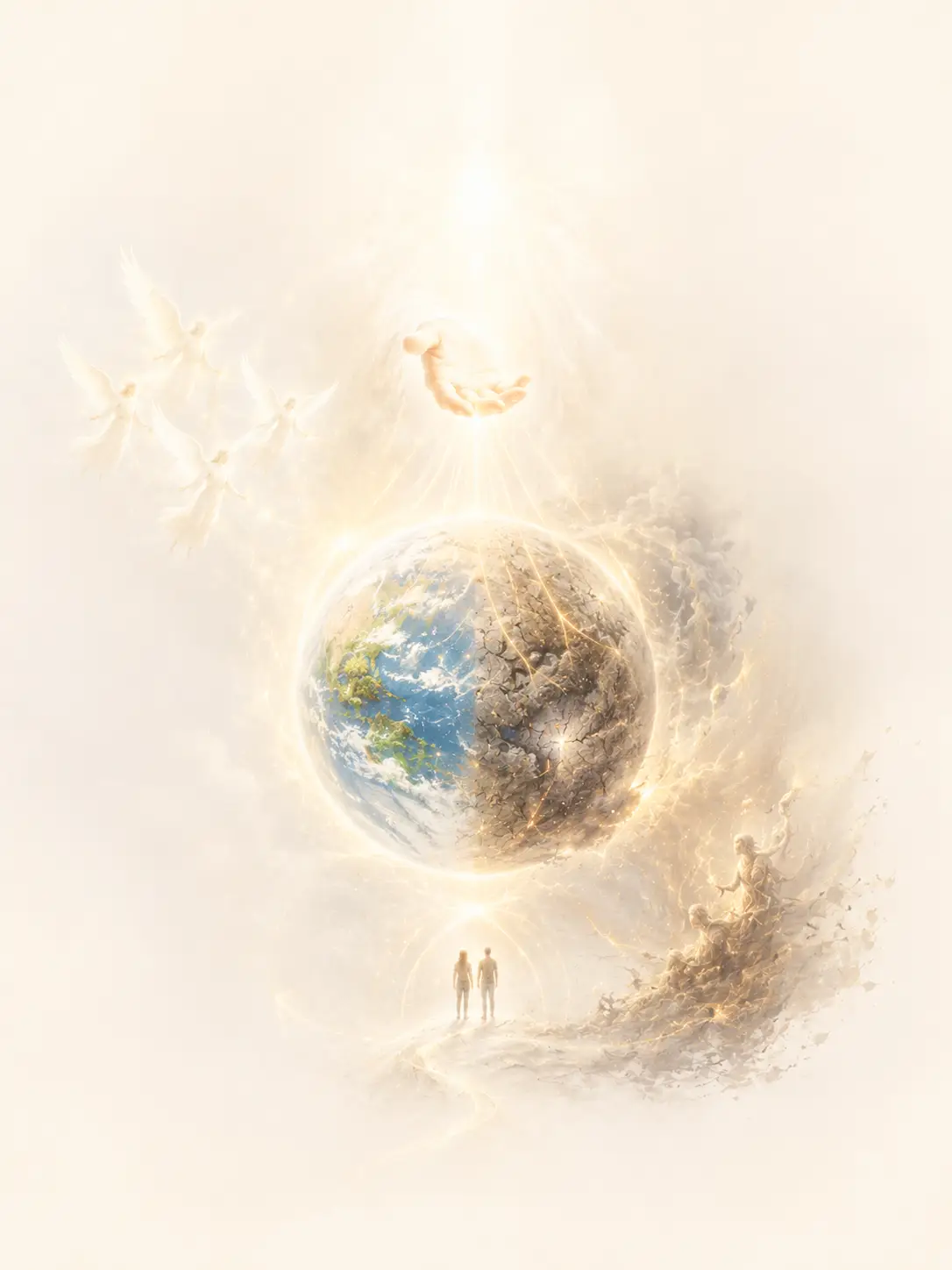
All humanity is now involved in a great controversy between Christ and Satan regarding the character of God, His law, and His sovereignty over the universe. This conflict originated in heaven when a created being, endowed with freedom of choice, in self-exaltation became Satan, God’s adversary, and led into rebellion a portion of the angels. He introduced the spirit of rebellion into this world when he led Adam and Eve into sin. This human sin resulted in the distortion of the image of God in humanity, the marring of the created world, and its eventual devastation at the time of the worldwide flood, as presented in the historical account of Genesis 1-11. Observed by the whole creation, this world has become the arena of the universal conflict, out of which the God of love will ultimately be vindicated. To assist His people in this controversy, Christ sends the Holy Spirit and the loyal angels to guide, protect, and sustain them in the way of salvation.
(Gen. 3; 6-8; Job 1:6-12; Isa. 14:12-14; Ezek. 28:12-18; Rom. 1:19-32; 3:4; 5:12-21; 8:19-22; 1 Cor. 4:9; Heb. 1:14; 1 Pet. 5:8; 2 Pet. 3:6; Rev. 12:4-9)
9
The Life, Death, and Resurrection of Christ
In Christ’s life of perfect obedience to God’s will, His suffering, death, and resurrection, God provided the only means of atonement for human sin, so that those who by faith accept this atonement may have eternal life, and the whole creation may better understand the infinite and holy love of the Creator. This perfect atonement vindicates the justice of God’s law and the mercy of His character; for it both condemns sin and provides forgiveness. The death of Christ is substitutionary and expiatory, reconciling and transforming. The bodily resurrection of Christ proclaims God’s triumph over the forces of evil, and for those who accept the atonement assures their final victory over sin and death. It declares the Lordship of Jesus Christ, before whom every knee in heaven and on earth will bow.
(Gen. 3:15; Ps. 22:1; Isa. 53; John 3:16; 14:30; Rom. 1:4; 3:25; 4:25; 8:3, 4; 1 Cor. 15:3, 4, 20-22; 2 Cor. 5:14, 15, 19-21; Phil. 2:6-11; Col. 2:15; 1 Pet. 2:21, 22; 1 John 2:2; 4:10).
10

The Experience of Salvation
In infinite love and mercy God made Christ, who knew no sin, to be sin for us, so that in Him we might be made the righteousness of God. Led by the Holy Spirit we sense our need, acknowledge our sinfulness, repent of our transgressions, and exercise faith in Jesus as Savior and Lord, Substitute and Example. This saving faith comes through the divine power of the Word and is the gift of God’s grace. Through Christ we are justified, adopted as God’s sons and daughters, and delivered from the lordship of sin. Through the Spirit we are born again and sanctified; the Spirit renews our minds, writes God’s law of love in our hearts, and we are given the power to live a holy life. Abiding in Him we become partakers of the divine nature and have the assurance of salvation now and in the judgment.
(Gen. 3:15; Isa. 45:22; Isa. 53; Jer. 31:31-34; Ezek. 33:11; 36:25-27; Hab. 2:4; Mark 9:23, 24; John 3:3-8, 16; 16:8; 1 Pet. 1:23; 2:21, 22; 2 Pet. 1:3, 4; Rom. 3:21-26; 8:1-4, 14-17; 5:6-10; 10:17; 12:2; 2 Cor. 5:17-21; Gal. 1:4; 3:13, 14, 26; 4:4-7; Eph. 2:4-10; Col. 1:13, 14; Titus 3:3-7; Heb. 8:7-12; Rev. 13:8).
11
Growing in Christ
Through His death on the cross, Jesus triumphed over the forces of evil. By subduing demonic forces during His earthly ministry, He finally destroyed their power and condemned them to eternal destruction. Jesus' triumph also ensures our victory over the evil forces that still seek to control us, while we walk with Christ in peace, joy, and confidence in His love. Now the Holy Spirit abides within us and empowers us. By surrendering ourselves completely to Jesus as our Savior and Lord, we are freed from the burden of our past actions. We no longer live in darkness and fear of evil forces, in the ignorance and meaninglessness that accompanied us in our former lives. Having found freedom in Jesus, we begin to grow in the likeness of His character by daily communing with Him in prayer, feeding on His Word, meditating on it and His providence, singing His praises, gathering together for worship, and participating in the mission of the Church. We are also called to follow Christ's example, mercifully ministering to the physical, mental, social, emotional, and spiritual needs of others. As we share our love with others and witness to them of God's salvation, His constant presence with us through the Holy Spirit transforms every moment of our lives and every action into a priceless spiritual experience.
(1 Chronicles 29:11; Psalms 1:1, 2; 23:4; 77:12, 13; Matt. 20:25-28; 25:31-46; Luke 10:17-20; John 20:21; Rom. 8:38, 39; 2 Cor. 3:17, 18; Gal. 5:22-25; Eph. 5:19, 20; 6:12-18; Phil. 3:7-14; Col. 1:13, 14; 2:6, 14, 15; 1 Thess. 5:16-18, 23; Heb. 10:25; James 1:27; 2 Peter 2:9; 3:18; 1 John 4:4)
12
The Church
The church is the community of believers who confess Jesus Christ as Lord and Savior. In continuity with the people of God in Old Testament times, we are called out from the world; and we join together for worship, for fellowship, for instruction in the Word, for the celebration of the Lord’s Supper, for service to humanity, and for the worldwide proclamation of the gospel. The church derives its authority from Christ, who is the incarnate Word revealed in the Scriptures. The church is God’s family; adopted by Him as children, its members live on the basis of the new covenant. The church is the body of Christ, a community of faith of which He Himself is the Head. The church is the bride for whom Christ died that He might sanctify and cleanse her. At His return in glory, He will present her to Himself a glorious church, the faithful of all the ages, the purchase of His blood, not having spot or wrinkle, but holy and without blemish.
(Gen. 12:1-3; Exod. 19:3-7; Matt. 16:13-20; 18:18; 28:19, 20; Acts 2:38-42; 7:38; 1 Pet. 2:9; 1 Cor. 1:2; Eph. 1:22, 23; 2:19-22; 3:8-11; 5:23-27; Col. 1:17, 18).
13
The Remnant and Its Mission
The universal church is composed of all who truly believe in Christ, but in the last days, a time of widespread apostasy, a remnant has been called out to keep the commandments of God and the faith of Jesus. This remnant announces the arrival of the judgment hour, proclaims salvation through Christ, and heralds the approach of His second advent. This proclamation is symbolized by the three angels of Revelation 14; it coincides with the work of judgment in heaven and results in a work of repentance and reform on earth. Every believer is called to have a personal part in this worldwide witness.
(Dan. 7:9-14; Isa. 1:9; 11:11; Jer. 23:3; Mic. 2:12; 1 Pet. 1:16-19; 4:17; 2 Pet. 3:10-14; Jude 3, 14; 2 Cor. 5:10; Rev. 12:17; 14:6-12; 18:1-4).
14

Unity in the Body of Christ
The church is one body with many members, called from every nation, kindred, tongue, and people. In Christ we are a new creation; distinctions of race, culture, learning, and nationality, and differences between high and low, rich and poor, male and female, must not be divisive among us. We are all equal in Christ, who by one Spirit has bonded us into one fellowship with Him and with one another; we are to serve and be served without partiality or reservation. Through the revelation of Jesus Christ in the Scriptures we share the same faith and hope, and reach out in one witness to all. This unity has its source in the oneness of the triune God, who has adopted us as His children.
(Ps. 133:1; Matt. 28:19, 20; John 17:20-23; Acts 17:26, 27; Rom. 12:4, 5; 1 Cor. 12:12-14; 2 Cor. 5:16, 17; Gal. 3:27-29; Eph. 2:13-16; 4:3-6, 11-16; Col. 3:10-15).
15
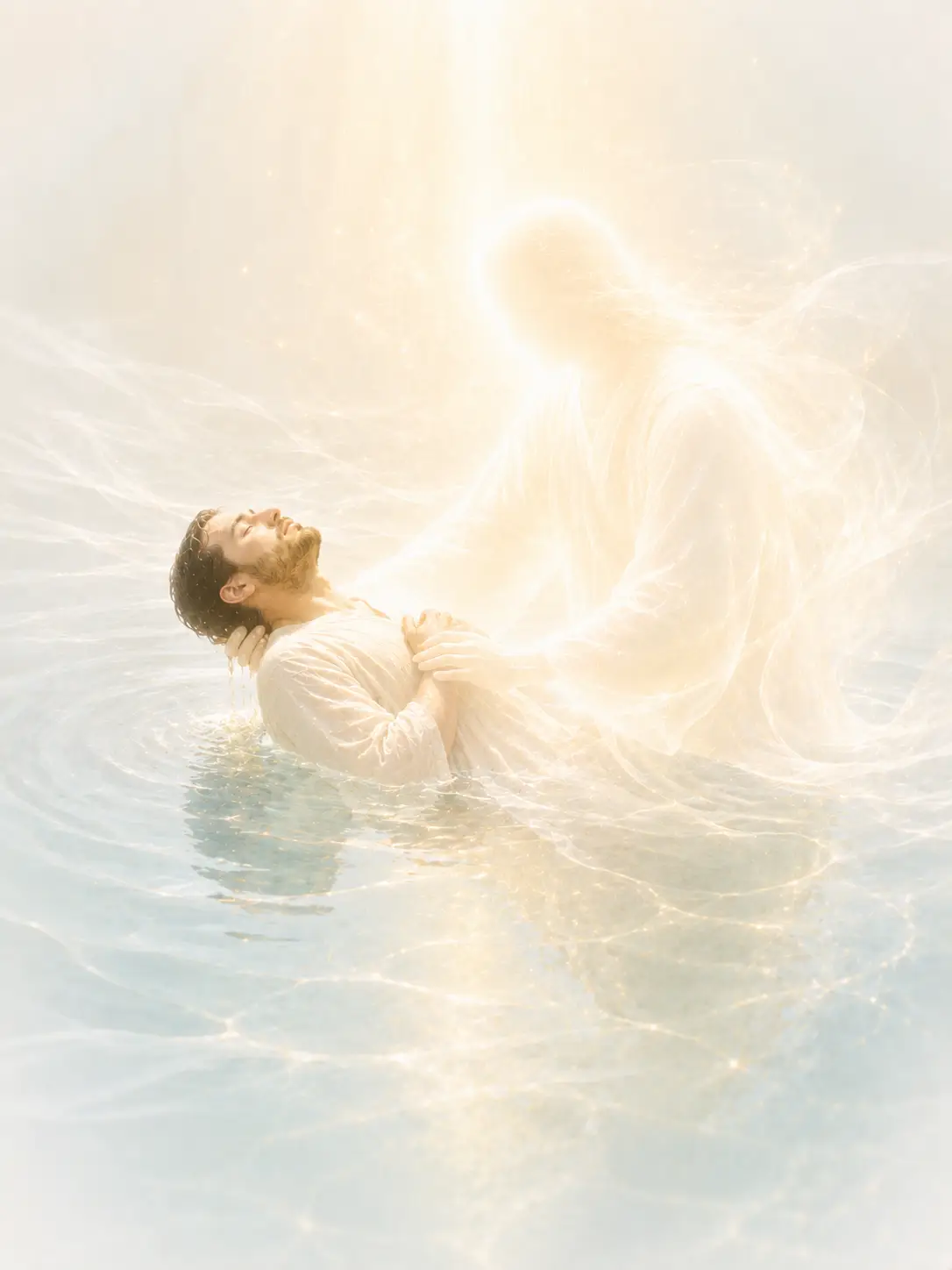
Baptism
By baptism we confess our faith in the death and resurrection of Jesus Christ, and testify of our death to sin and of our purpose to walk in newness of life. Thus we acknowledge Christ as Lord and Savior, become His people, and are received as members by His church. Baptism is a symbol of our union with Christ, the forgiveness of our sins, and our reception of the Holy Spirit. It is by immersion in water and is contingent on an affirmation of faith in Jesus and evidence of repentance of sin. It follows instruction in the Holy Scriptures and acceptance of their teachings.
(Matt. 28:19, 20; Acts 2:38; 16:30-33; 22:16; Rom. 6:1-6; Gal. 3:27; Col. 2:12, 13).
16
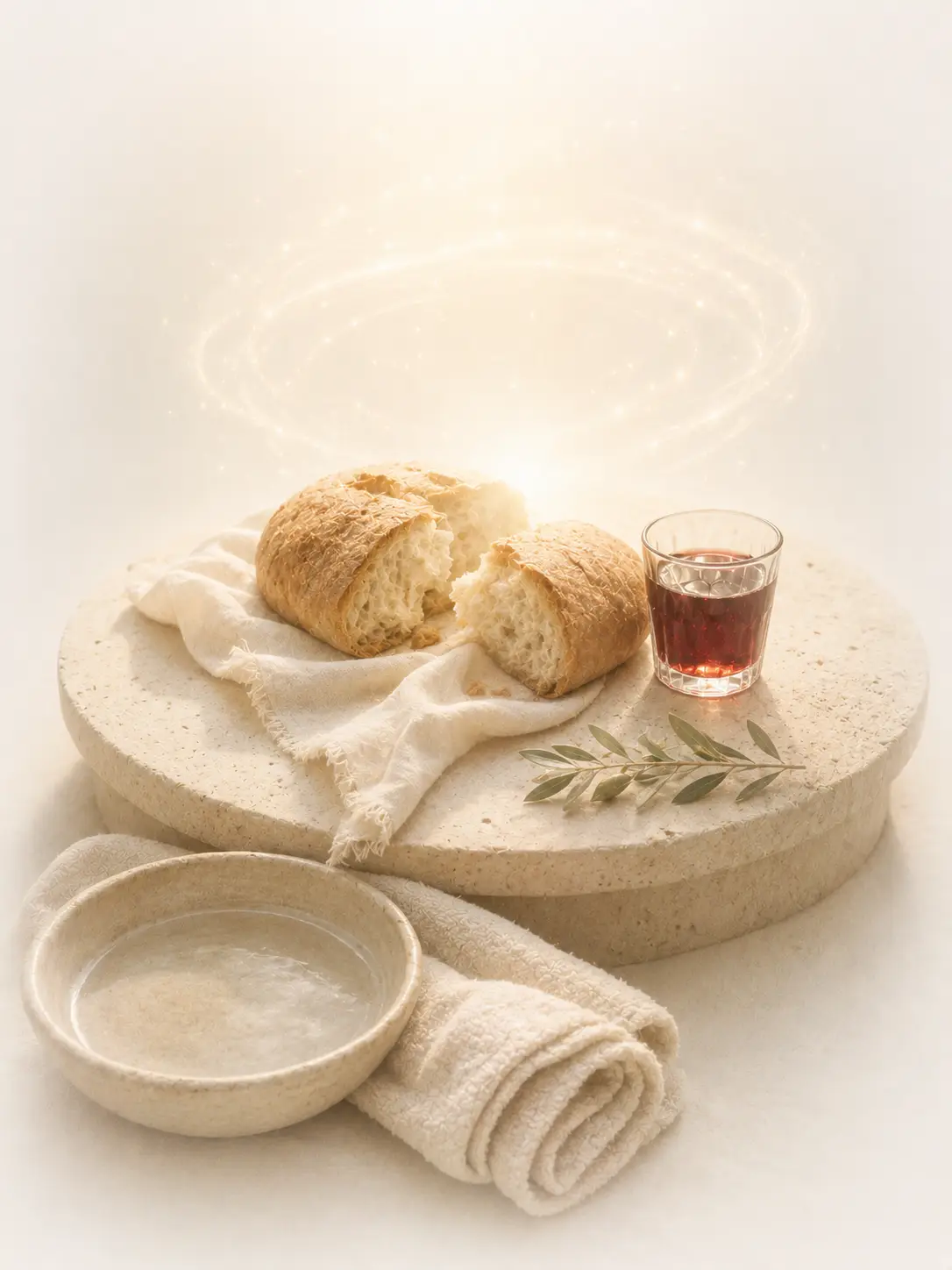
The Lord’s Supper
The Lord’s Supper is a participation in the emblems of the body and blood of Jesus as an expression of faith in Him, our Lord and Savior. In this experience of communion Christ is present to meet and strengthen His people. As we partake, we joyfully proclaim the Lord’s death until He comes again. Preparation for the Supper involves self-examination, repentance, and confession. The service of footwashing was instituted by the Master to signify renewed cleansing, to express a willingness to serve one another in Christlike humility, and to unite our hearts in love. The Communion service is open to all Christian believers.
(Matt. 26:17-30; John 6:48-63; 13:1-17; 1 Cor. 10:16, 17; 11:23-30; Rev. 3:20).
17
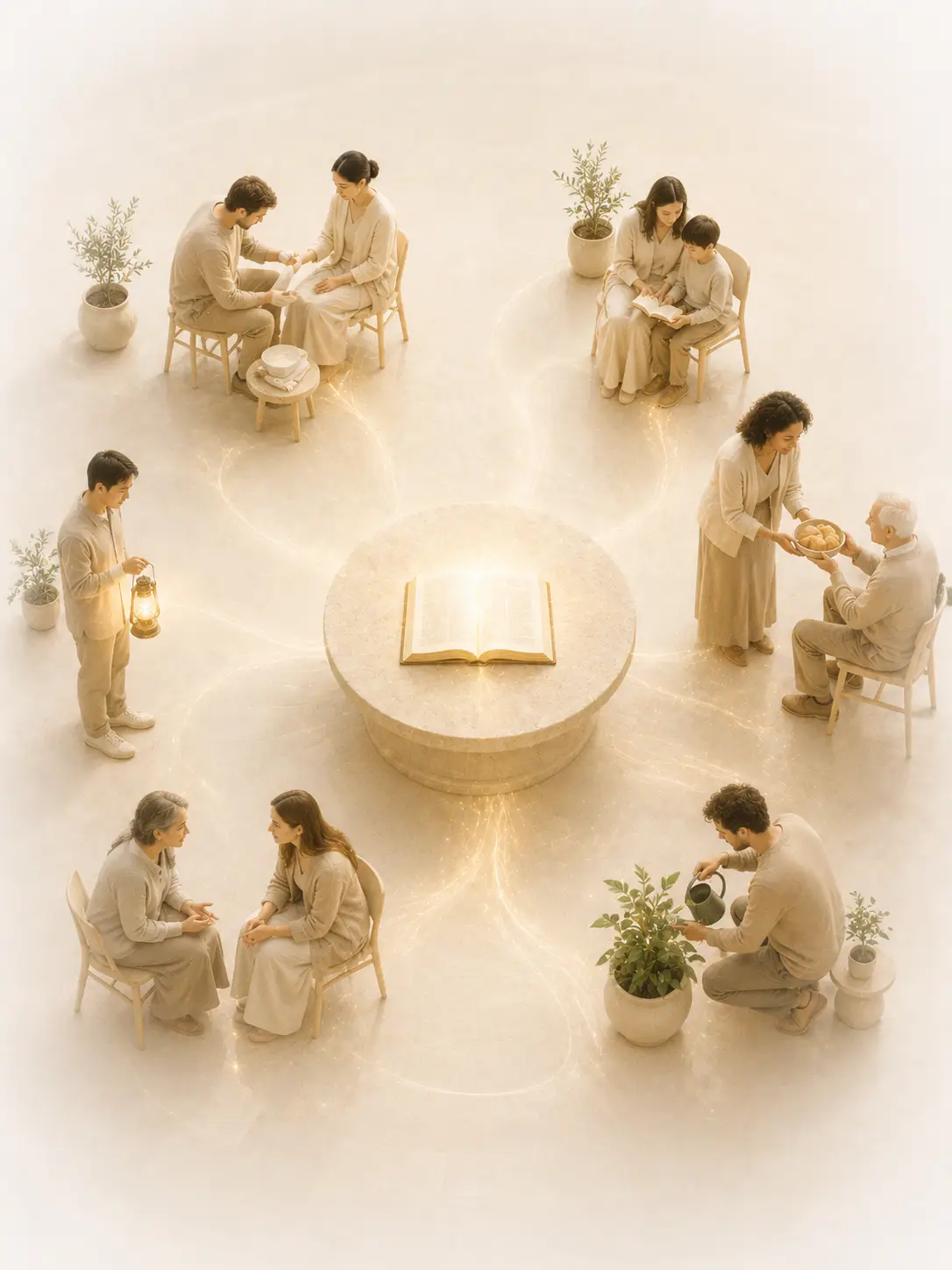
Spiritual Gifts and Ministries
God bestows upon all members of His church in every age spiritual gifts, which each member is to employ in loving ministry for the common good of the church and of humanity. Given by the agency of the Holy Spirit, who apportions to each member as He wills, the gifts provide all abilities and ministries needed by the church to fulfill its divinely ordained function. According to the Scriptures, these gifts include such ministries as faith, healing, prophecy, proclamation, teaching, administration, reconciliation, compassion, and self-sacrificing service and charity for the help and encouragement of people. Some members are called of God and endowed by the Spirit for functions recognized by the church in pastoral, evangelistic, and teaching ministries particularly needed to equip the members for service, to build up the church to spiritual maturity, and to foster unity of the faith and knowledge of God. When members employ these spiritual gifts as faithful stewards of God’s varied grace, the church is protected from the destructive influence of false doctrine, grows with a growth that is from God, and is built up in faith and love.
(Acts 6:1-7; 1 Pet. 4:10, 11; Rom. 12:4-8; 1 Cor. 12:7-11, 27, 28; Eph. 4:8, 11-16; 1 Tim. 3:1-13).
18
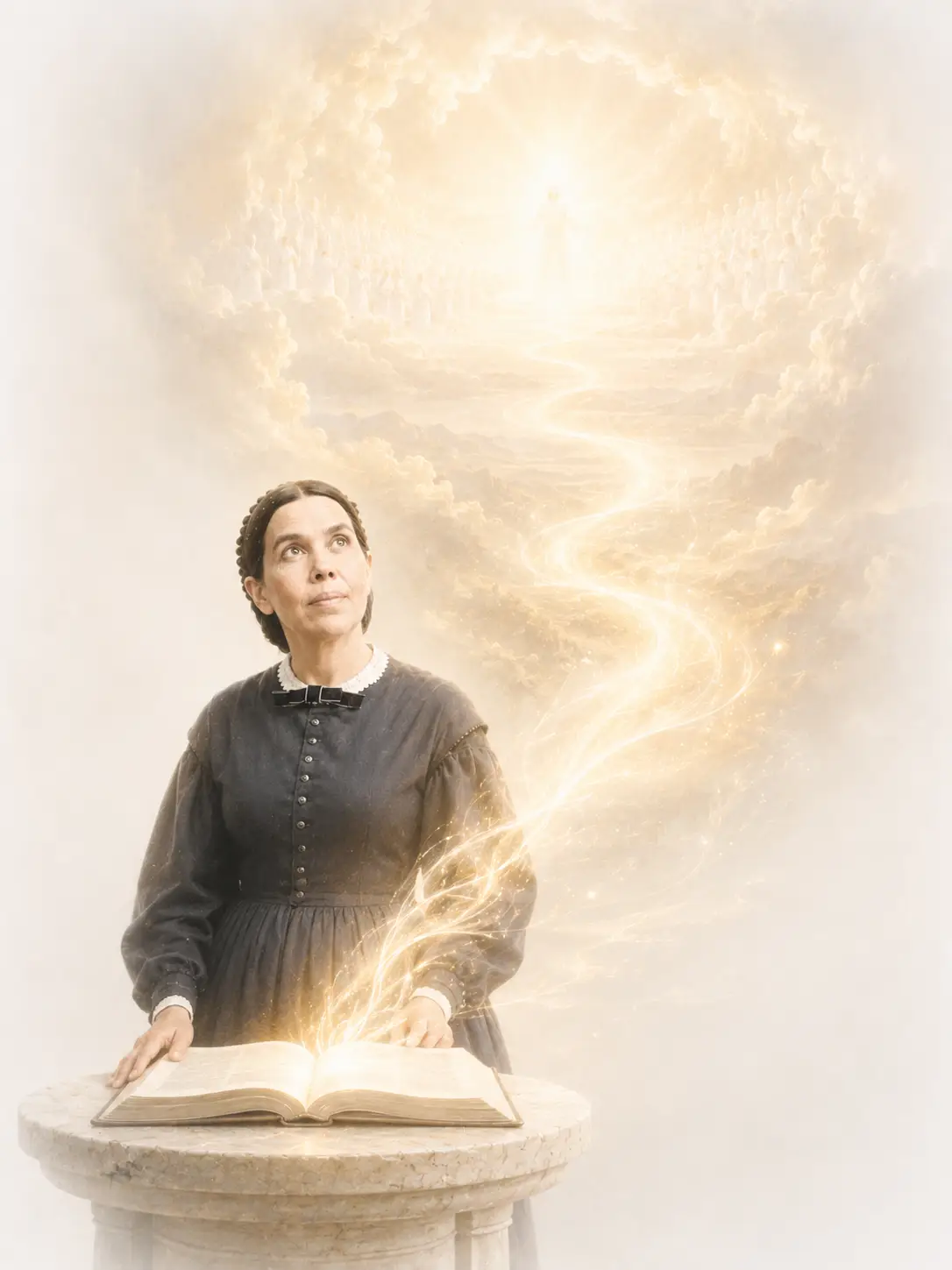
The Gift of Prophecy
The Scriptures testify that one of the gifts of the Holy Spirit is prophecy. This gift is an identifying mark of the remnant church and we believe it was manifested in the ministry of Ellen G. White. Her writings speak with prophetic authority and provide comfort, guidance, instruction, and correction to the church. They also make clear that the Bible is the standard by which all teaching and experience must be tested.
(Num. 12:6; 2 Chron. 20:20; Amos 3:7; Joel 2:28, 29; Acts 2:14-21; 2 Tim. 3:16, 17; Heb. 1:1-3; Rev. 12:17; 19:10; 22:8, 9).
19
The Law of God
The great principles of God’s law are embodied in the Ten Commandments and exemplified in the life of Christ. They express God’s love, will, and purposes concerning human conduct and relationships and are binding upon all people in every age. These precepts are the basis of God’s covenant with His people and the standard in God’s judgment. Through the agency of the Holy Spirit they point out sin and awaken a sense of need for a Savior. Salvation is all of grace and not of works, but its fruit is obedience to the Commandments. This obedience develops Christian character and results in a sense of well-being. It is an evidence of our love for the Lord and our concern for our fellow men. The obedience of faith demonstrates the power of Christ to transform lives, and therefore strengthens Christian witness.
(Exod. 20:1-17; Deut. 28:1-14; Ps. 19:7-14; 40:7, 8; Matt. 5:17-20; 22:36-40; John 14:15; 15:7-10; 1 John 2:3; 5:3; Rom. 8:3, 4; Eph. 2:8-10; Heb. 8:8-10; Rev. 12:17; 14:12).
20
The Sabbath
The beneficent Creator, after the six days of Creation, rested on the seventh day and instituted the Sabbath for all people as a perpetual memorial of Creation. The fourth commandment of God’s unchangeable law requires the observance of this seventh-day Sabbath as the day of rest, worship, and ministry in harmony with the teaching and practice of Jesus, the Lord of the Sabbath. The Sabbath is a day of delightful communion with God and one another. It is a symbol of our redemption in Christ, a sign of our sanctification, a token of our allegiance, and a foretaste of our eternal future in God’s kingdom. The Sabbath is God’s perpetual sign of His eternal covenant with His people. Joyful observance of this holy time from evening to evening, sunset to sunset, is a celebration of God’s creative and redemptive acts.
(Gen. 2:1-3; Exod. 20:8-11; 31:13-17; Lev. 23:32; Deut. 5:12-15; Isa. 56:5, 6; 58:13, 14; Ezek. 20:12, 20; Matt. 12:1-12; Mark 1:32; Luke 4:16; Heb. 4:1-11).
21

Stewardship
We are God’s stewards, entrusted by Him with time and opportunities, abilities and possessions, and the blessings of the earth and its resources. We are responsible to Him for their proper use. We acknowledge God’s ownership by faithful service to Him and our fellow men, and by returning tithes and giving offerings for the proclamation of His gospel and the support and growth of His church. Stewardship is a privilege given to us by God for nurture in love and the victory over covetousness and selfishness. The steward rejoices in the blessings which come to others as a result of his faithfulness.
(Gen. 1:26-28; 2:15; 1 Chron. 29:14; Hag. 1:3-11; Mal. 3:8-12; Matt. 23:23; Rom. 15:26, 27; 1 Cor. 9:9-14; 2 Cor. 8:1-15; 9:7).
22

Christian Behavior
We are called to be a godly people who think, feel, and act in harmony with biblical principles in all aspects of personal and social life. For the Spirit to recreate in us the character of our Lord we involve ourselves only in those things that will produce Christlike purity, health, and joy in our lives. This means that our amusement and entertainment should attain to the highest standards of Christian taste and beauty. While recognizing cultural differences, our dress is to be simple, modest, and neat, befitting those whose true beauty does not consist of outward adornment but in the imperishable ornament of a gentle and quiet spirit. It also means that because our bodies are the temples of the Holy Spirit, we are to care for them intelligently. Along with adequate exercise and rest, we are to adopt the most healthful diet possible and abstain from the unclean foods identified in the Scriptures. Because alcoholic beverages, tobacco, and the irresponsible use of drugs and narcotics are harmful to our bodies, we are to abstain from them as well. Instead, we are to engage in whatever brings our thoughts and bodies into the discipline of Christ, who desires our wholesomeness, joy, and well-being.
(Gen. 7:2; Exod. 20:15; Lev. 11:1-47; Ps. 105:3; 1 Pet. 3:1-4; 1 John 2:6; 3 John 2; Rom. 12:1, 2; 1 Cor. 6:19, 20; 10:31; 2 Cor. 6:14–7:1; 10:5; Eph. 5:1-21; Phil. 2:4; 4:8; 1 Tim. 2:9, 10; Titus 2:11, 12).
23

Marriage and the Family
Marriage was divinely instituted in Eden and affirmed by Jesus to be a lifelong union between a man and a woman in loving companionship. For the Christian a marriage commitment is to God as well as to the spouse, and should be entered into only between partners who share a common faith. Mutual love, honor, respect, and responsibility are the fabric of this relationship, which is to reflect the love, sanctity, closeness, and permanence of the relationship between Christ and His church. Regarding divorce, Jesus taught that the person who divorces a spouse, except for fornication, and marries another, commits adultery. Although some family relationships may fall short of the ideal, a man and a woman who fully commit themselves to each other in Christ through the marriage covenant may achieve loving unity through the guidance of the Spirit and the nurture of the church. God blesses the family and intends that its members shall assist each other toward complete maturity. Increasing family closeness is one of the earmarks of the final gospel message. Parents are to bring up their children to love and obey the Lord. By their example and their words they are to teach them that Christ is a loving, tender, and caring disciplinarian, who wants them to become members of His body, the family of God, which embraces both single and married persons.
(Gen. 2:18-25; Exod. 20:12; Deut. 6:5-9; Prov. 22:6; Mal. 4:5, 6; Matt. 5:31, 32; 19:3-9, 12; Mark 10:11, 12; John 2:1-11; 1 Cor. 7:7, 10, 11; 2 Cor. 6:14; Eph. 5:21-33; 6:1-4).
24
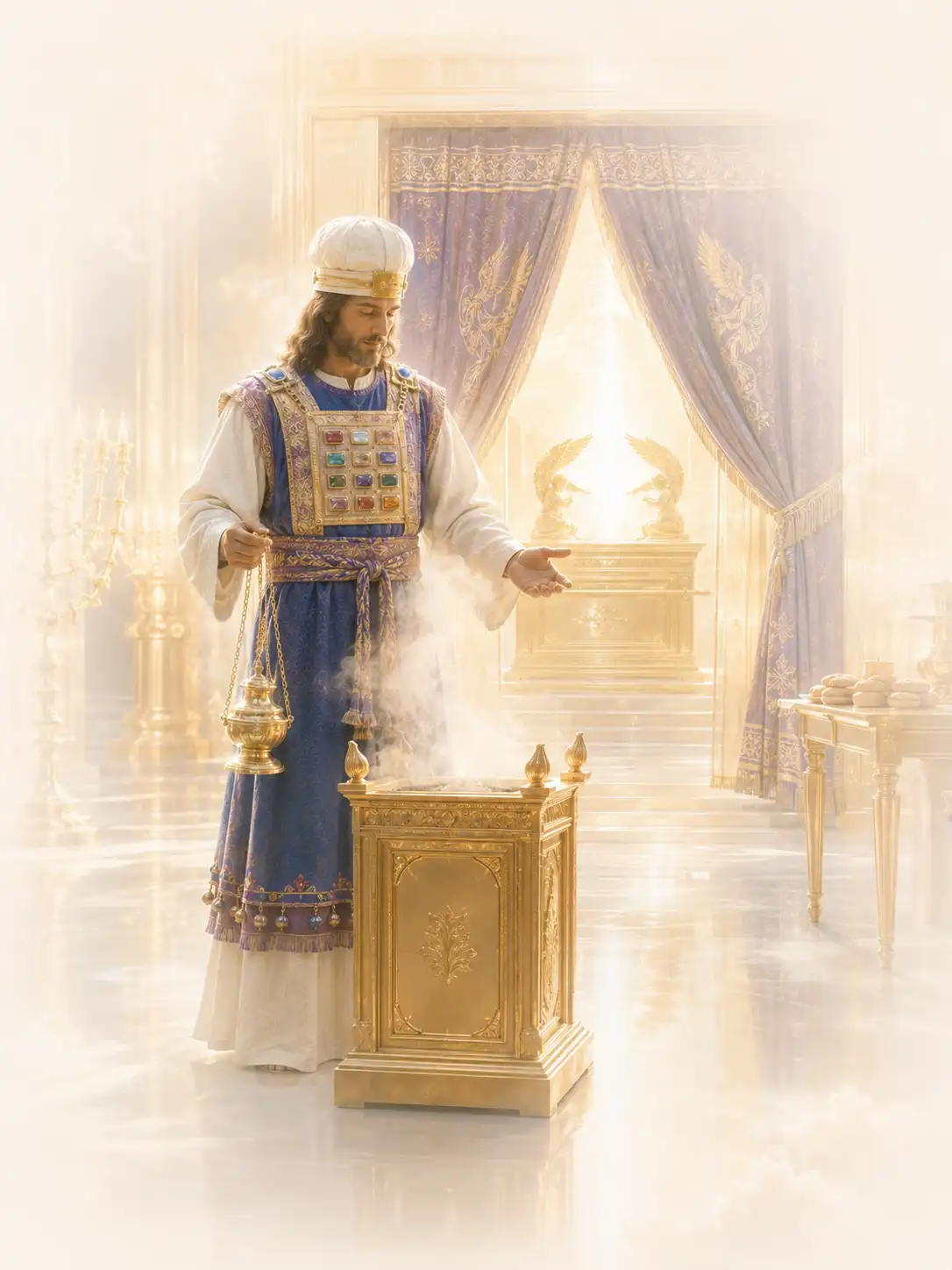
Christ’s Ministry in the Heavenly Sanctuary
There is a sanctuary in heaven, the true tabernacle which the Lord pitched and not man. In it Christ ministers on our behalf, making available to believers the benefits of His atoning sacrifice offered once for all on the cross. He was inaugurated as our great High Priest and began His intercessory ministry at the time of His ascension, which was typified by the work of the high priest in the holy place of the earthly sanctuary. In 1844, at the end of the prophetic period of 2300 days, He entered the second and last phase of His atoning ministry, which was typified by the work of the high priest in the most holy place of the earthly sanctuary. It is a work of investigative judgment which is part of the ultimate disposition of all sin, typified by the cleansing of the ancient Hebrew sanctuary on the Day of Atonement. In that typical service the sanctuary was cleansed with the blood of animal sacrifices, but the heavenly things are cleansed with the perfect sacrifice of the blood of Jesus. The investigative judgment reveals to heavenly intelligences who among the dead are asleep in Christ and therefore, in Him, are deemed worthy to have part in the first resurrection. It also makes manifest who among the living are abiding in Christ, keeping the commandments of God and the faith of Jesus, and in Him, therefore, are ready for translation into His eternal kingdom. This judgment vindicates the justice of God in saving those who believe in Jesus. It declares that those who have remained loyal to God shall receive the kingdom. The completion of this ministry of Christ will mark the close of human probation before the Second Advent.
(Lev. 16; Num. 14:34; Ezek. 4:6; Dan. 7:9-27; 8:13, 14; 9:24-27; Heb. 1:3; 2:16, 17; 4:14-16; 8:1-5; 9:11-28; 10:19-22; Rev. 8:3-5; 11:19; 14:6, 7, 12; 20:12; 22:11, 12).
25
The Second Coming of Christ
The second coming of Christ is the blessed hope of the church, the grand climax of the gospel. The Savior’s coming will be literal, personal, visible, and worldwide. When He returns, the righteous dead will be resurrected, and together with the righteous living will be glorified and caught up to meet their Lord, but the unrighteous will die. The almost complete fulfillment of most lines of prophecy, together with the present condition of the world, indicates that Christ’s coming is near. The time of that event has not been revealed, and we are therefore exhorted to be ready at all times.
(Matt. 24; Mark 13; Luke 21; John 14:1-3; Acts 1:9-11; 1 Cor. 15:51-54; 1 Thess. 4:13-18; 5:1-6; 2 Thess. 1:7-10; 2:8; 2 Tim. 3:1-5; Titus 2:13; Heb. 9:28; Rev. 1:7; 14:14-20; 19:11-21).
26
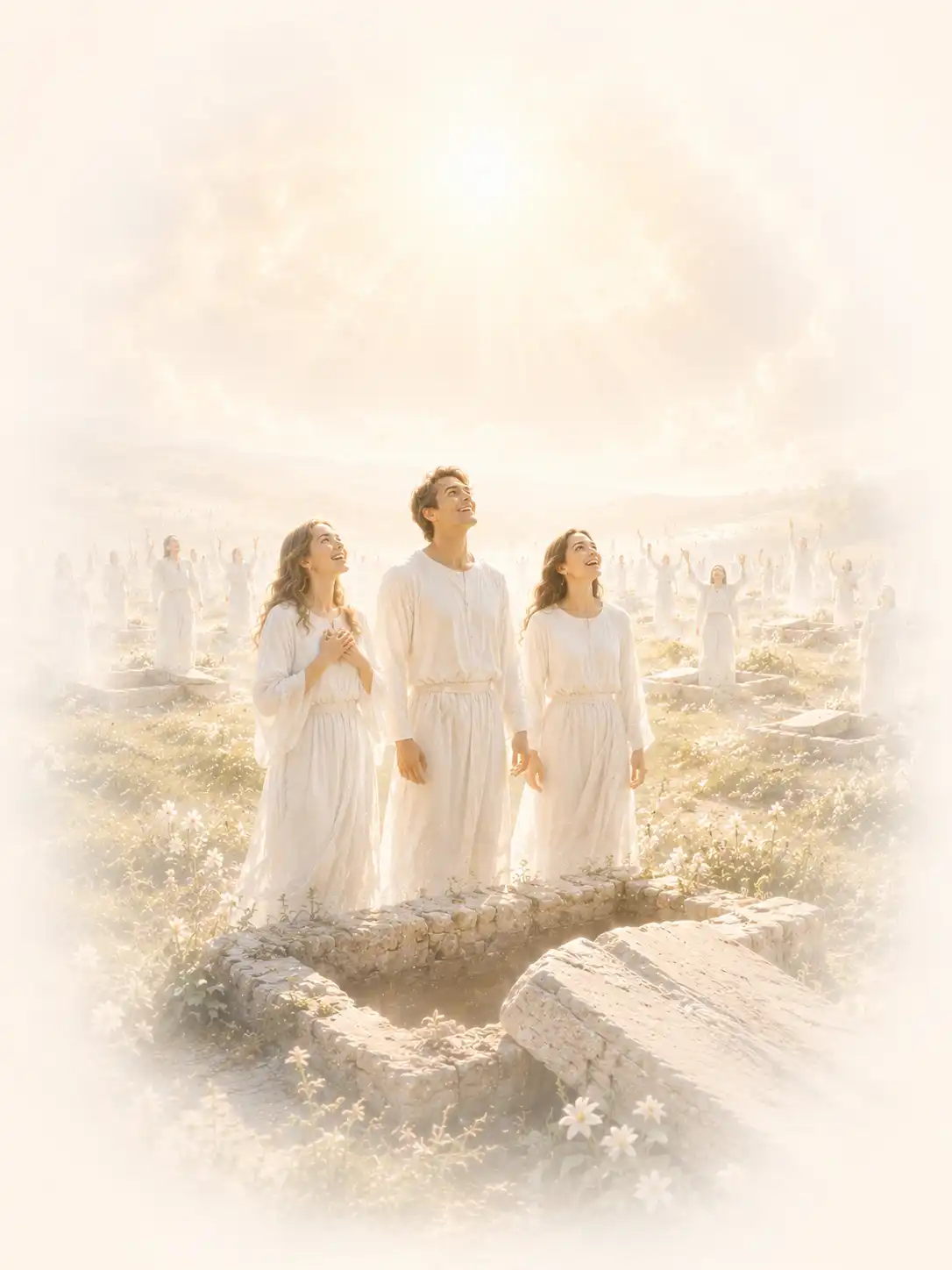
Death and Resurrection
The wages of sin is death. But God, who alone is immortal, will grant eternal life to His redeemed. Until that day death is an unconscious state for all people. When Christ, who is our life, appears, the resurrected righteous and the living righteous will be glorified and caught up to meet their Lord. The second resurrection, the resurrection of the unrighteous, will take place a thousand years later.
(Job 19:25-27; Ps. 146:3, 4; Eccles. 9:5, 6, 10; Dan. 12:2, 13; Isa. 25:8; John 5:28, 29; 11:11-14; Rom. 6:23; 1 Cor. 15:51-54; Col. 3:4; 1 Thess. 4:13-17; 1 Tim. 6:15, 16; Rev. 20:1-10).
27
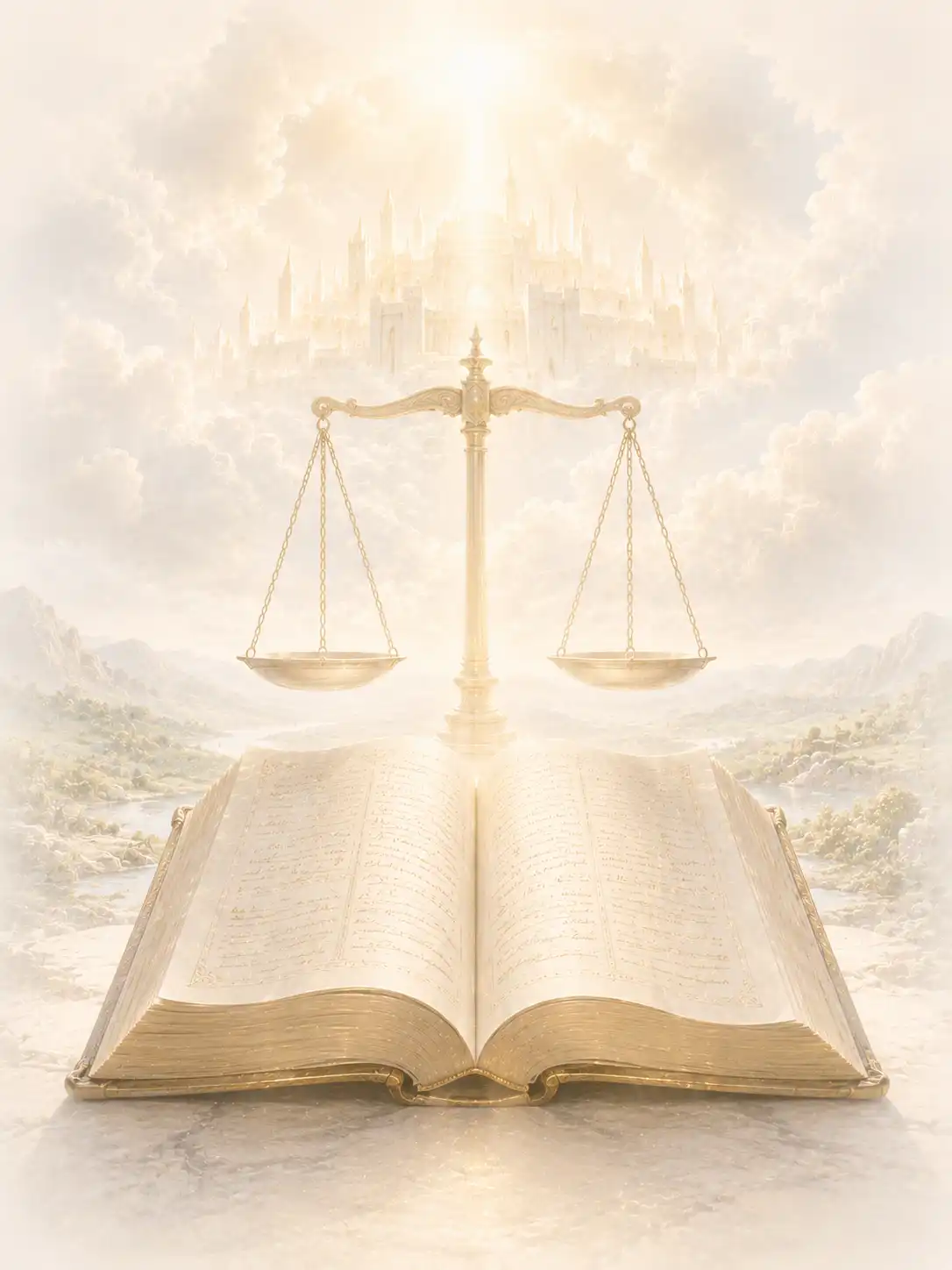
The Millennium and the End of Sin
The millennium is the thousand-year reign of Christ with His saints in heaven between the first and second resurrections. During this time the wicked dead will be judged; the earth will be utterly desolate, without living human inhabitants, but occupied by Satan and his angels. At its close Christ with His saints and the Holy City will descend from heaven to earth. The unrighteous dead will then be resurrected, and with Satan and his angels will encircle the city; but fire from God will consume them and cleanse the earth. The universe will then be eternally free from sin and sinners.
(Jer. 4:23-26; Ezek. 28:18, 19; Mal. 4:1; 1 Cor. 6:2, 3; Rev. 20; 21:1-5).
28
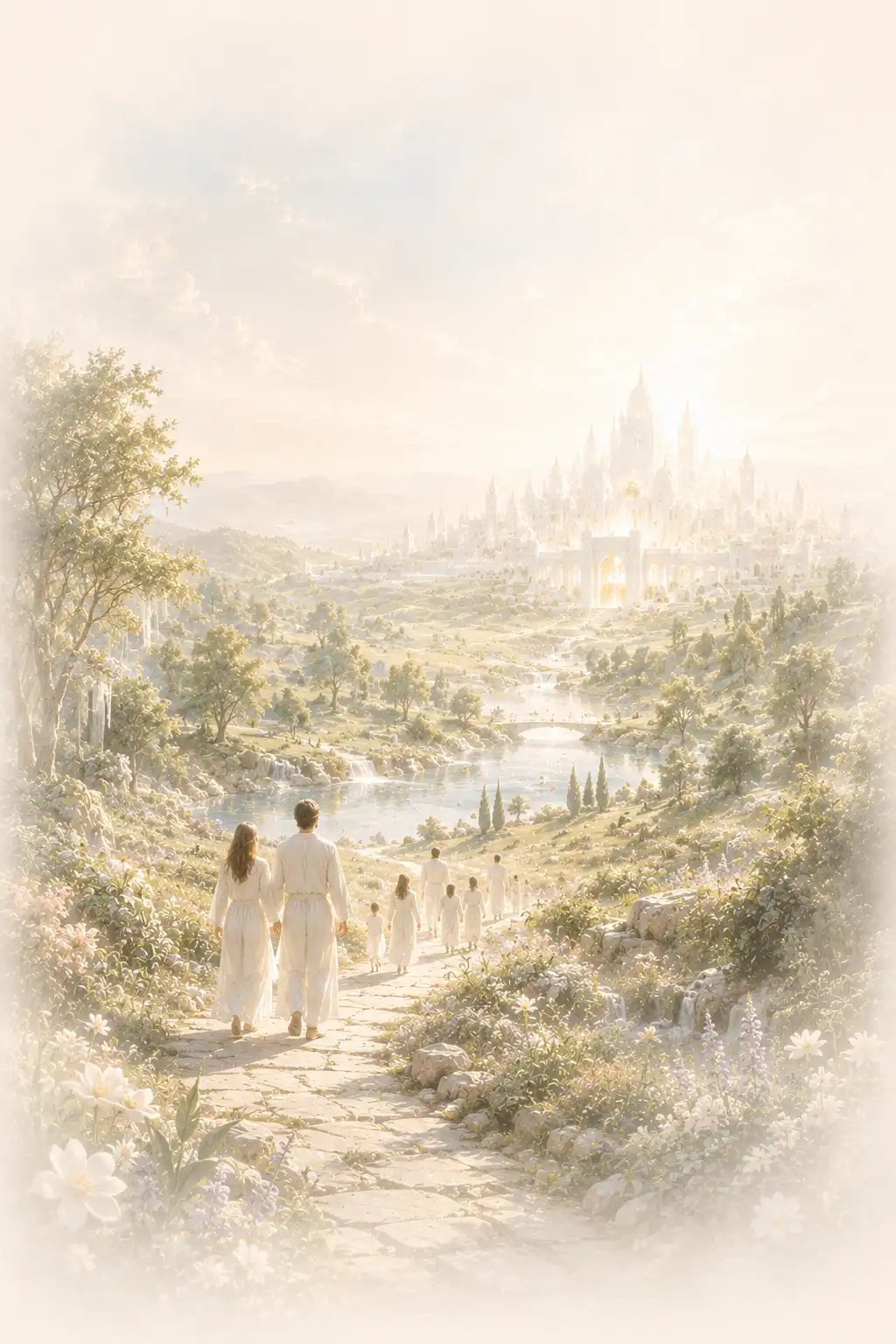
The New Earth
On the new earth, in which righteousness dwells, God will provide the eternal home for the redeemed and a perfect environment for everlasting life, love, joy, and learning in His presence. For here God Himself will dwell with His people, and suffering and death will have passed away. The great controversy will be ended, and sin will be no more. All things, animate and inanimate, will declare that God is love; and He shall reign forever. Amen.
(Isa. 35; 65:17-25; Matt. 5:5; 2 Pet. 3:13; Rev. 11:15; 21:1-7; 22:1-5).